
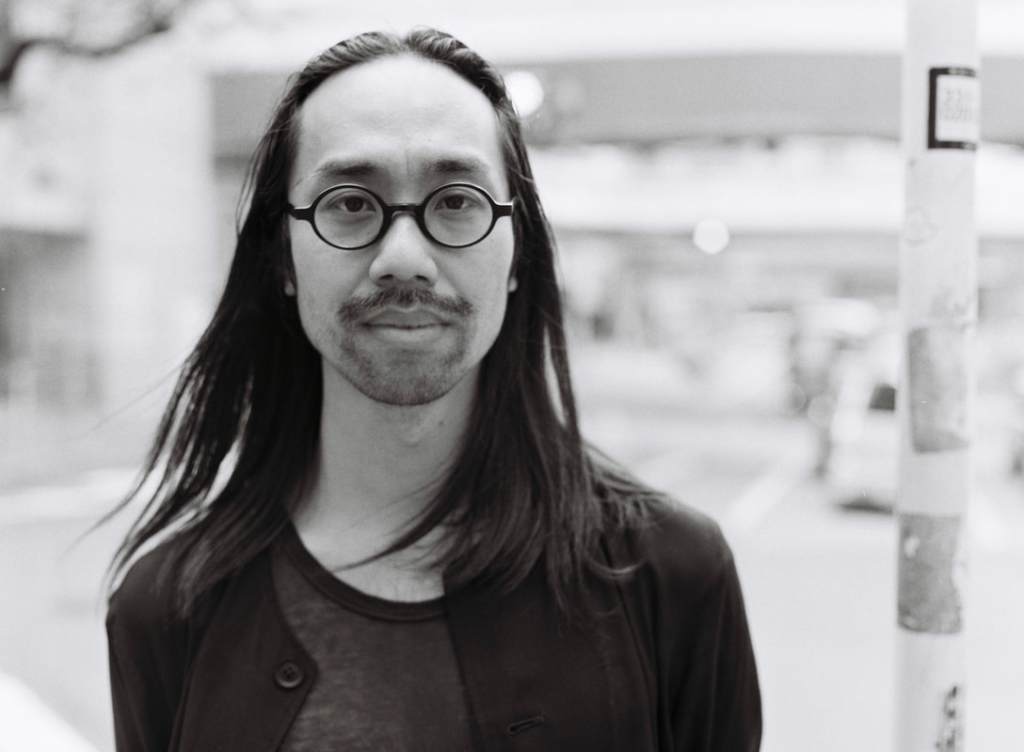
The wonderful Patrick Shiroishi was kind enough to chat to me about improvisation, influences and more.
Listening to I Was Too Young To Hear The Silence, it struck me just how that titular silence is such a pronounced part of your recordings. What do you think is the value of silence and open space in music?
To me, it’s as important as the notes we decide to play. In everyday life, if we are filling all of the space all of the time, how do we learn? This is a more recent way of thinking, maybe because of my age and where i am with life, but i feel that it is very important in all aspects especially in my music.
Given the improvisational nature of so much of your music, I was curious if you have different priorities when improvising in your live performances as opposed to improvised work on an album? Does a live audience present a challenge in any way?
I rather like performing in front of an audience. However, the space that a show takes place at can definitely change the way i would approach playing in that moment. The priority is always to perform the best i can and to be honest/express myself in the most purest way regardless if it’s a live or studio setting.
I was reading about Chelsea Wolfe’s new record and it reminded me of Pain Is Beauty, a record I loved when it came out and hadn’t realised you’d contributed to until last year. Do you have any thoughts on your work on that a decade on?
Chelsea and Ben are incredible musicians that deserve all the best and more!! I’m so happy for them, to see where they are now and how hard they’ve hustled… it’s incredible. They are lifers and really are about the music. That’s who you want to succeed in this “industry.” I feel really lucky to have played a small part on a couple of tracks on that record, including some clarinet on “The Waves Have Come” which is still my favorite CW song. Hope everyone is checking out their new one… it’s a banger!!
You’ve always been a prolific artist, but since 2020 you’ve released a massive amount of full lengths and collaborations. Was there a specific impetus for this surge in releases, and did the pandemic make it difficult to do?
The pandemic made some things, live recordings during that time specifically, very difficult, but it also helped me discover different options as far as making music went. I made several long-distance recordings that i’m very proud of starting in the pandemic, something i didn’t think would have been an actual route i would have taken as i thought music was something to be made together in a room.
All of the Fuubutsushi records, even to this day, are all dropbox recordings. In addition, my collaborations with Camila Nebbia, Noel Meek, We Bow to No Masters (with Tashi Dorji, Thom Ngyuen and Dylan Fujioka) were all done with the help of the internet. The surge in releases was due to having these recordings backlogged and ready to put out but being preoccupied with, at the time, my day job, figuring out shows and other recordings and such, but with shows and recordings put on hold and being at home more, I had more time to put energy into figuring out homes for these records and putting them out into the world.
As someone who’s not American I find a lot of your music elucidatory, specifically how it presents Asian-American voices past and present. I’m thinking of your No-No 3 / のの 三 collaboration with Dylan Fujioka, your Hidemi record, etc. Your work has also given significant attention to Executive Order 9066 and the concentration camps that interned Japanese, the 442 regiment, etc. Do you consider education to be an element of your music at all?
There have been some people who have reached out to me after listening to my music and telling me that they had no idea that Japanese Americans were held in concentration camps during the war, and i’m glad I was able to bring it to their attention. This world has so much insane, horrible things happening to people, oftentimes to minorities, and it’s important to know and remember what has happened so that they do not repeat. I wouldn’t say that education is an element of my music, but more so me processing and expressing things in real time.
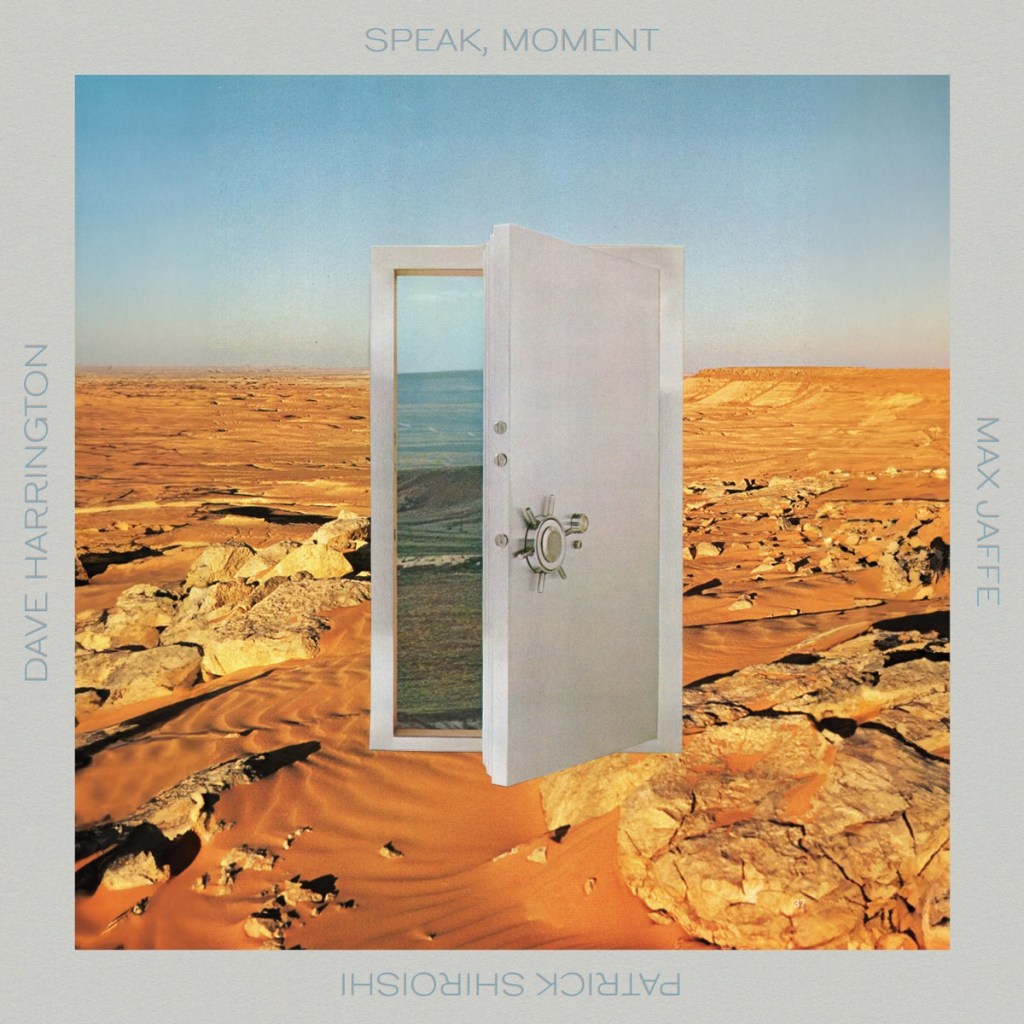
I was curious about your upcoming release with Dave Harrington and Max Jaffe – Speak, Moment. I understand it was improvised during your first meeting together as a group, what was that process like? Was it a democratic process, or did someone take more of a conductor’s role? And did you enter the recording with an idea or influence for what it would sound like?
That recording session was actually the first time we had met and played together as a trio. I’m so glad Max initiated it as it has become a working group that has figured out our own voice as a trio. We didn’t have any idea of what the record would be and you can kind of hear that in our playing, playing off of each other, dipping our toes into different territories and discovering what we can do in real time. since that session, we’ve changed and I think for the better. We are hitting the studio next month to record the next record, i’m very excited about that.
A record of yours that’s always gripped me was your collaboration with Noel Meek – Throw Away Your Books, Rally In The Streets. It’s an interesting album to me – it’s subtle interpolation of electroacoustic elements, its thematic connection to the film of the same name and, from the albums description, the worldwide protests of 2020/2021. Could you tell me a little about how that collaboration first came to be, and the album itself?
Love Noel!! We haven’t had the ability to play together in a room in some time now… I really want to visit New Zealand but it’s so far from LA! Noel is such an incredible and knowledgeable musician. We were able to play together in a trio with Peter Kolovos a couple of times (recordings of that became a tape put out on Astral Spirits) but our duo record was a very different thing for a number of reasons, the primary one being that it was not done live. We sent files back and forth slowly building the record from the beginning to the end, drawing influences of what was happening in our lives and around the world as we went. The protests were definitely a huge part, my wife and I would go quite often when they were happening in Los Angeles and recordings taken from there ended up on the record. There’s a lot of evil, awful shit that happens in the world, even today, and it’s a reminder to be out in the streets and stand up for what you believe in. To not stay silent.
Reading about your background in music therapy, I’m curious as to what – if any – extent that influences your current output? Is it still something that informs your playing at all?
I don’t think it does at all, but i’m happy to have studied it in undergrad.
Myself, like many people I think, were first introduced to your solo material through Hidemi. Like so much of your work, it’s very personal. Is it a challenge deciding to bare yourself so earnestly to an audience like that?
I look at my solo work as a very personal thing, a place where I can dig deep, process and express what I am going through at that time. It isn’t so much of a challenge but much more selfish as I can look inwards. I am really thankful for music being able to be this vehicle I can use to work through things I wouldn’t necessarily be able to do otherwise.
You’ve mentioned that I Was Too Young To Hear The Silence was recorded in a car park beneath a restaurant. When incorporating field / live recordings like that, does it take long to decide what is the “right” location? And is the choice dictated more by its thematic or its sonic qualities (the acoustics, emotional significance, etc)?
it depends for what I am trying to do. I have a lot of voice memos on my phone taken from all around the world, some recordings make it immediately onto a record and others find homes years later. i’ve always wanted to play in a place where the acoustics were so vast and long, when I found it I knew it was a place I needed to record in. Since it was a parking garage and open to the public, I went very late in the evening to avoid as many people as possible and recorded for an hour before packing up. I’m very proud of that snapshot in time, it was captured exactly as I wanted it to be.
What is influencing you most right now, both musical and non-musical?
As always, life, friends and family. Musically, i’ve been listening to a lot of Deerhoof, Les Rallizes Denudes, everything Awesome Tapes From Africa has put out, and this live Ornette Coleman record that came out in 2022 that I just discovered. Goddamn is he amazing.
Now that we’re just out of January, I was curious; what are your major plans for 2024?
I’ll be doing a lot of touring this year with The Armed around the states and in Europe. Hoping to do some solo touring in Europe if I can make it happen. I also have some music coming out that I am very excited about, guitar-sax-drum trios with Chaz Prymek and Thom Nguyen, and another with Wendy Eisenberg and Jason Nazary. Fuubutsushi is also gearing up to announce our new record that we are independently putting out in the summer, so please support us!!! Finally, a vinyl reissue of I Shouldn’t Have to Worry When My Parents Go Outside will be out via Family Vineyard towards the end of summer.
Thanks again to Patrick for his time, you can pick up his records here, and check out his new record with Max Jaffe and Dave Harrington here.
 HypIreStition Ruins
Leave a comment