
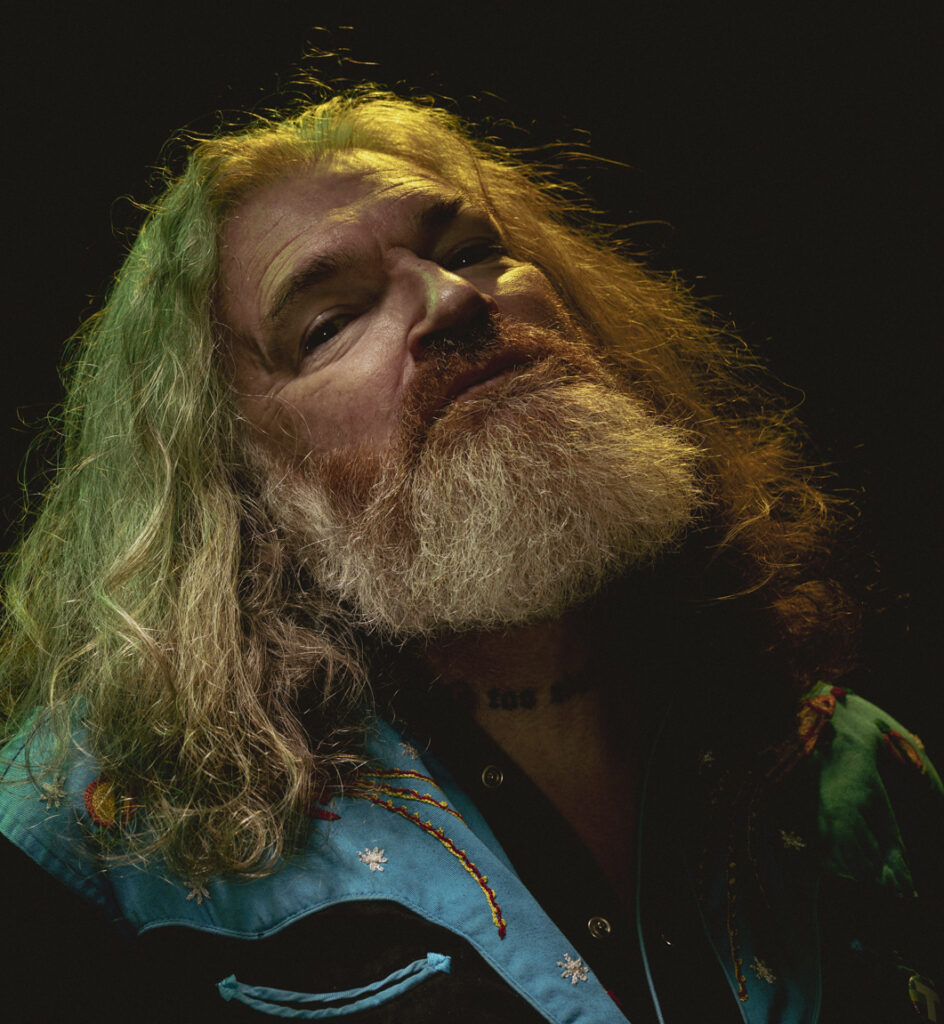
Director Paul Duane was sound enough to chat with me about his latest film All You Need Is Death, the role of music and folklore in his work, his recent influences, the state of contemporary Irish film and more.
First of all, congrats on All You Need Is Death – it’s a really fabulous piece of filmmaking. It’s definitely your biggest project so far, and has gotten the most international attention of any of your works. When you were making it did it feel different than your other projects in its conception? Did it feel more significant to make?
It’s my first feature drama and the first feature script I wrote entirely alone after years of co-writing and collaborating with writers, so it is obviously personally significant to me.
I felt like I wanted to see Irish culture and its various weirdnesses represented on screen in a way that I hadn’t previously, and to some extent I think it succeeds in that, but I’m not sure how significant that is to anyone other than me.
It certainly felt different to anything else I had ever made – for a start it’s self-financed, and very low budget, and I hadn’t made drama that way before. We made it on deferrals, which is a method that has a bit of a bad reputation because so many people never get paid their deferred fees – I took inspiration from The Young Offenders, similarly made on a tiny budget with a small but determined crew, who were paid out of the film’s terrific success; when a filmmaker like Peter Footte behaves responsibly and pays people from their profits, it makes it easier for the rest of us to do, too.

Being such a densely detailed film, I’m curious what was the scriptwriting process like for it?
I wrote a first draft which basically has the first half of the film more or less as completed, and a totally different second half that – I immediately knew – did not work.
But I knew there was something in there, I just needed to figure it out. So I got a few friends to read it, having told them that I knew it wasn’t working but I needed to know what could be fixed.
The responses I got back were extremely helpful and the second draft of the script is pretty much what we filmed, though I added some extra scenes (the opening with Sean Fitzgerald getting interviewed by the Gardai, for instance) in the run-up to filming, and some smaller additions like the answering machine messages used during the montage sequence were written during the editing process.
Ian Lynch had some influence on the process too, because of his very specific knowledge about folklore, Old Irish, and the way ballads are handed down generationally.
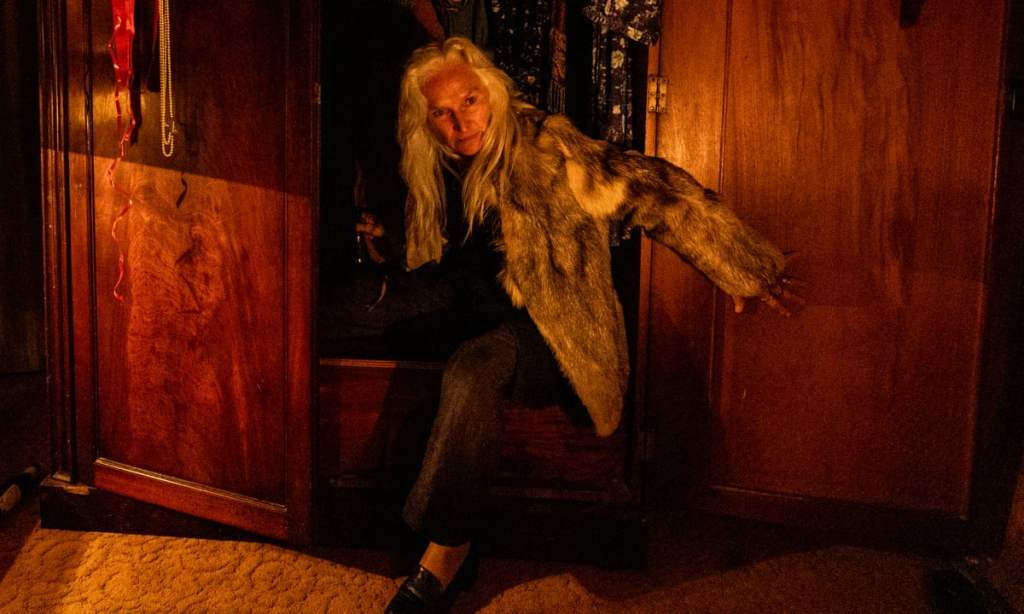
All You Need Is Death was conceived during lockdown, right? Did that influence its writing/creation much?
I suppose in a way the enforced idleness of lockdown caused many of us to make big decisions about what we would do when we were able to work again, so in a way it was a factor – I know after two years of isolation I was very very keen to work with crew and actors again. Outside of that I don’t really think it had much to do with it – though I did spend lockdown watching a huge amount of horror movies from various genres, so maybe some of that percolated through into the script, I don’t know!
My first exposure to your work was While You Live, Shine – comparing both films, most immediately obvious is their focus on music and archivalism. Music is obviously a subject in some of your other films too – Best Before Death, etc – but what inspired the sharper focus on musicology and folk traditions in your films this decade?
Both the films I made with Bill Drummond and my time with musicologist Christopher King on While You Live, Shine were very impactful on how I wrote the script.
Chris introduced me to the subculture of 78 RPM record collectors, which I transposed into an imaginary world of song collectors for the film, and he also gave me some very interesting ideas about the importance of music in human cultural development – for instance the idea that music evolved before speech, and is foundational to how the human mind works.
Bill Drummond’s thoughts on how recording music can be in some way a betrayal of its true function also played into the notion that the central ballad in the script is ’taboo’, and should never be translated or recorded.
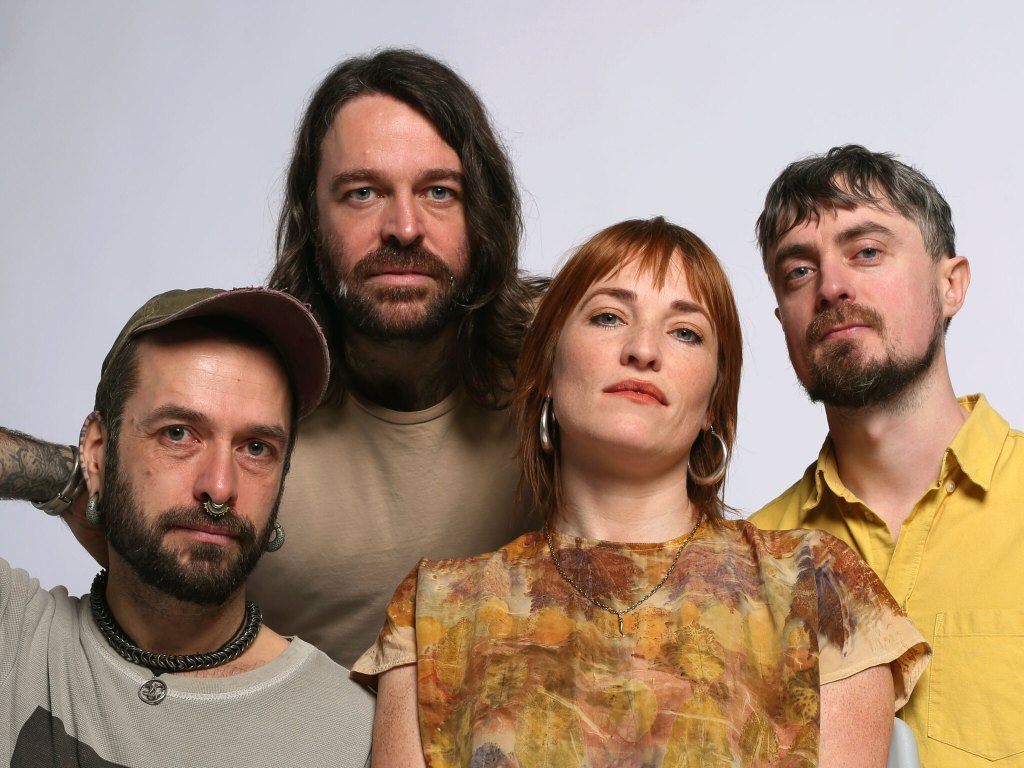
I have been a music fan all of my life, and when I concieved the idea for the film, it was largely inspired by listening to Lankum and trying to imagine the kind of film that their music should accompany, I can definitely say that the film would not exist without that band.

“Folk horror” as a term is very saturated and so broad that its not even particularly descriptive anymore, but All You Need Is Death feels unique among a lot of contemporary films folk horror films, both in its subject but also its delivery – it has this uniquely dilapidated, oppressive atmosphere throughout. Did you feel the need to set the film apart from the contemporary folk horror wave?
I think there are some clichés in the ‘folk horror’ genre – the peculiarly arranged bunch of sticks, the eerie woodlands, the peasants, the stone circles or unearthed ancient artefacts, and I wanted to steer clear of those.
I also wanted to make a film with a more urban feel, as I think this kind of thing feels more disturbing when it is taken out of the countryside.
I am a huge fan of Asian cinema, particularly the work of Kiyoshi Kurosawa, particularly Cure, so I used that film’s locations as inspiration – Kurosawa will set a hospital scene in a clearly dilapidated, disused building with some minimal hospital set dressing, and I love how easily that can conjure up a different world than the everyday reality we mostly live in.
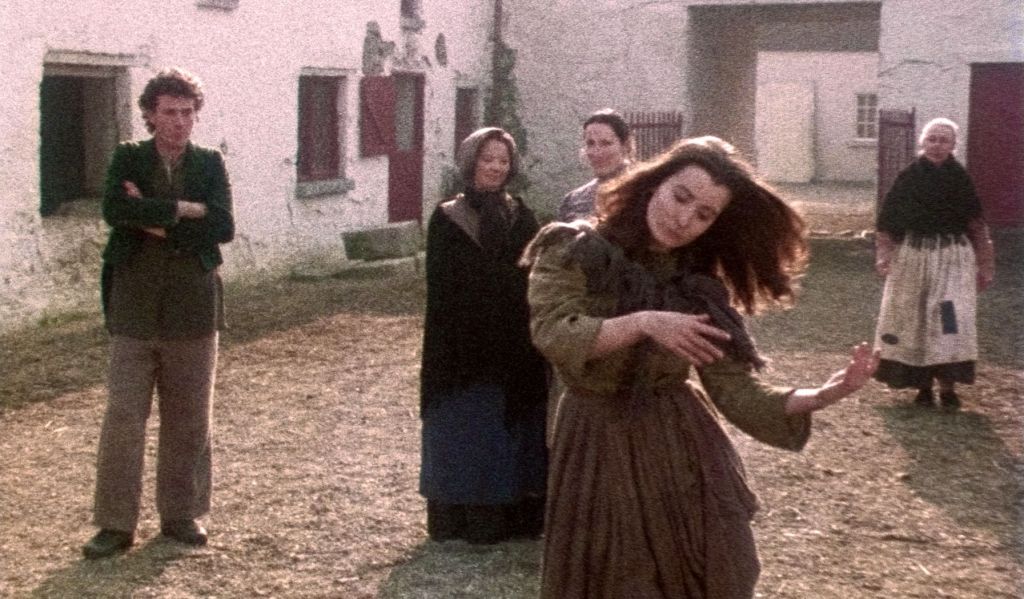
I read an interview with you where you talked about the Robert Wynne-Simmons film The Outcasts, which to my mind shares similar dna with All You Need Is Death, films that are as linked to weird fiction as they are folk horror. Was that film an influence on you?
I saw The Outcasts on RTE2 back in maybe 1982, and loved it – it felt so much better and more original than any other Irish film or TV drama I had seen, and I think it still is one of the best films to come out of Ireland.
The way the film respects tradition and the ‘hidden world’, while also making clear the benighted ignorance of many of the people who are driven by these beliefs, is fascinating.
It’s also a very opaque, fascinating story – every time I see it I unwrap more layers – which refuses to abide by many of the accepted rules of the horror genre. In fact it really isn’t a horror film at all, but a folklore film.
It was not noticed much when it came out, except by the few people who became obsessed with it, like me. It has been tremendously lovely to see it and its writer/director Robert Wynne-Simmons get their due so many years down the line.
You’ve been active director for decades now. Outside of the technology, what are the biggest differences in Irish filmmaking in 2025 as opposed to an early film like Blind Alley or a middle period one like Barbaric Genius? Is it easier or harder to get a film made?
The world we are in now has very little in common with the world in which I made my early short films.
Back then, the problem was getting access to the materials – camera, film negative, etc. If you were committed and devoted enough to actually complete a film, whatever film you made was guaranteed an audience, and if it turned out to be good, it would travel all over the world, to festivals etc, and you could get a couple of years of attention from one good short.
Now we are in a world of media excess where even massively-budgeted streaming dramas with big-name stars come and go unnoticed. You can’t take any audience for granted.
I put some thought while writing the script into what kind of film I needed to make to break through to current audiences, and I felt like using the ‘folk horror’ template might help, combined with having a story motor – the cursed, taboo song that releases its evil once reproduced – that had not been used before. This paid off when XYZ Films, one of the best distributors of genre movies in the world, came on board the film about halfway through the shoot.
There’s no point in making a film if you can’t get it seen, and there are many, many terrific films out there now that are not being seen at all. Filmmakers really need to think about this before committing to a project!
How did the collaboration with Ian Lynch come about? When I talked to Ian he mentioned it was his first time composing for a film.
I mentioned above that Lankum’s music had been an enormous influence on the project, and how it might not have ever happened without them. I knew I wanted to bring their sound to the film in some way. I knew Darragh Lynch very slightly, so I sent him a social media DM asking whether he could connect me with Ian. He did so, and when Ian got the script he replied saying he had been waiting all his life for something like this to come along.
Ian’s non-musical skills were also crucial – he is a PhD in folklore, he understands and can work with Old Irish, and his knowledge of the horror genre is encyclopaedic. Because of all of this, he was the perfect collaborator for this film, and we hope to continue the collaboration in other forms and other films.
What are you thoughts on Irish cinema right now? Are you optimistic about its state?
I think Kneecap has had a seismic effect on Irish cinema. It is a bold, ambitious, risk-taking film that takes the piss out of many of Official Ireland’s most prized shibboleths. It has a crazy arrogant energy that has been missing from – not just Irish cinema – but cinema generally in recent years. On paper, it did not look like an obvious contender for the kind of awards it has been getting. It’s an audience-pleaser that is also deeply political and comes from a place of genuine activism and desire to change Ireland for the better.
So based on that alone (and the huge upsurge in confidence in Irish music, literature and art over the past few years) I think we are headed into a very strong period for Irish cinema, as long as we can shake off the Hollywood-inspired fascination with ’there’s a donkey in the pub’ type paddywhackery and Bórd Failte imagery that has been prevalent over the past decades. The filmmakers want to make something different, I hope funders get behind them and take more risks and big swings in future.
Lastly, what are your biggest inspirations right now, in and outside of art?
I am inspired by the younger generation of Irish people who are out on the streets protesting about the Irish Government’s helpless, hopeless attitude to the housing crisis, protesting against Ireland’s involvement in the Gaza genocide, creating music and art that is diverse, experimental, groundbreaking – artists like my friend Ishmael Claxton, who was stills photographer on the film, who show a new Ireland that is multi-cultural, escaping gender binaries, but embracing the deeper culture of the country and its true meanings, removing them from the dead hands of the Catholic Church and the nationalistic monoculture that I grew up immersed in.
Ireland is an inspiring place to live right now. We have difficult times ahead, but I very much doubt that the genie can be put back in the bottle.
The aftermath of the 2008 crash created a generation that grew up with a healthy suspicion of government plans, international finance, tech bros and ’the right way of doing things’.
This is a huge improvement, I think, and we are doing far better than, say, the UK has done in avoiding the traps of the far right. So far. I hope with all my heart that we continue to do so.
 HypIreStition Ruins
Leave a comment